India vs Pakistan: Handshake Controversy Marks the End of Cricket Diplomacy?
Man, cricket used to be the one thing India and Pakistan could agree on, right? No matter how wild the drama got on the border or on Twitter, the game was a weird kind of therapy session. They’d face off, probably sledge a bit, but then—handshakes, smiles, that whole “sportsmanship” PR thing. India vs Pakistan
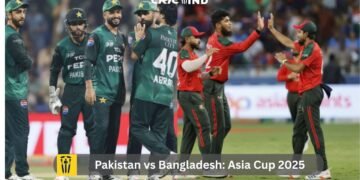
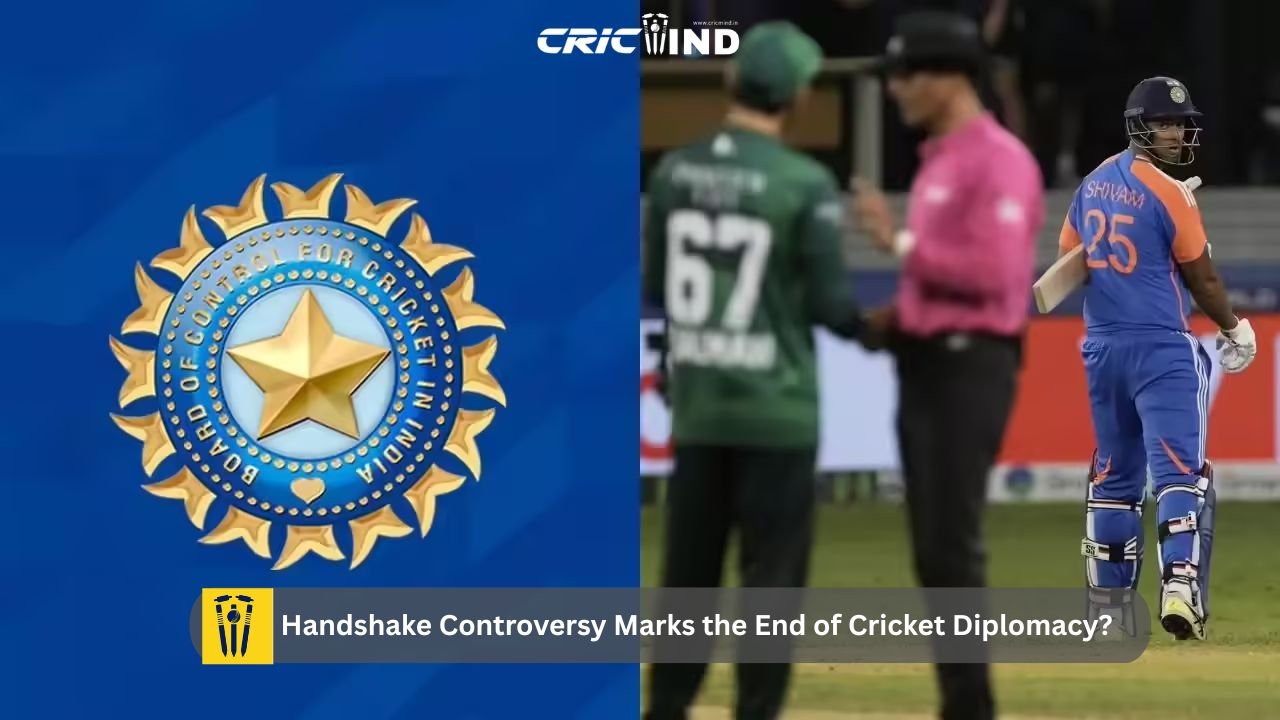
But after that Asia Cup showdown on Sunday? Please. The usual post-match handshakes and awkward buddy photos—totally gone. Team India just peaced out. Straight to the locker room. Not even a half-hearted fist bump.
Look, this wasn’t just some random snub. There’s been bad blood brewing since April, when a terror attack in Kashmir killed 26 and India went full “enough is enough,” pointing fingers at Pakistan. Pakistan, of course, denied everything (as usual), but India wasn’t buying it—missile strikes, military chest-thumping, the whole nuclear neighbors nightmare. India vs Pakistan
So yeah, cricket “diplomacy”? Might as well stick a fork in it. That bridge is toast for now. India vs Pakistan
Why No Handshakes?
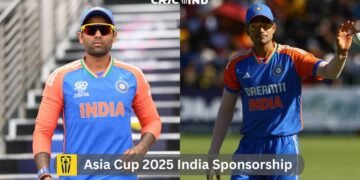
India’s captain, Suryakumar Yadav, said it was a “team call.” “We came here only to play. Some things are beyond sportsmanship,” he told reporters. Yadav also dedicated the win to India’s armed forces who took part in Operation Sindoor and honored the victims of the Pahalgam terror attack. On the other hand, Pakistan captain Salman Ali Agha skipped the post-match ceremony altogether. Their coach, Mike Hesson, said: “We were ready to shake hands. We’re disappointed our opponents didn’t do the same.” India vs Pakistan
PCB’s Strong Reaction
The Pakistan Cricket Board (PCB) lodged a complaint with the ICC, demanding that referee Andy Pycroft be removed for allegedly telling players to avoid handshakes. The ICC refused but later Pycroft apologized, calling it a “miscommunication.” PCB chairman Mohsin Naqvi expressed frustration: “We’ve always said sports and politics should be kept separate. Cricket should unite, not divide.” India vs Pakistan
The End of Cricket Diplomacy?
This incident has many experts saying cricket diplomacy – once a symbol of peace – is dead. In the past, cricket had actually brought the countries closer. In 1987, Pakistan’s president Zia-ul-Haq visited India to watch a Test match, calling it “cricket for peace.” In 2004, Indian PM Atal Bihari Vajpayee told the Indian team touring Pakistan: “Win hearts, not just matches.” India vs Pakistan
Man, even back in the Kargil war days, cricketers managed to keep it classy on the pitch. Wild, right? Fast forward past the awful 2008 Mumbai attacks, and it feels like cricket’s just another pawn in this endless political game. Nowadays? Modi’s running the show in India, and yeah, there’s literally a mega-stadium with his name plastered on it. Not subtle at all. Meanwhile, over in Pakistan, the cricket board? Basically just the home office for the interior minister. So much for keeping sports and politics separate. India vs Pakistan
What Experts Say
-
Sushant Singh, Indian defence analyst:
“Instead of building bonds, cricket has become a space for nationalist fantasies.”
-
Shahid Afridi, former Pakistan captain:
“I always received love in India. I never saw such behavior from players before.”
-
Osman Samiuddin, cricket writer:
“We are in an era of the opposite of cricket diplomacy. Cricket is now a tool for hostility.”
What’s Next?
Both teams have qualified for the next stage of the Asia Cup and will meet again on Sunday. Whether there’s a handshake this time or not, one thing is clear – cricket between India and Pakistan is no longer just a sport. It’s a reflection of their tense political ties. India vs Pakistan